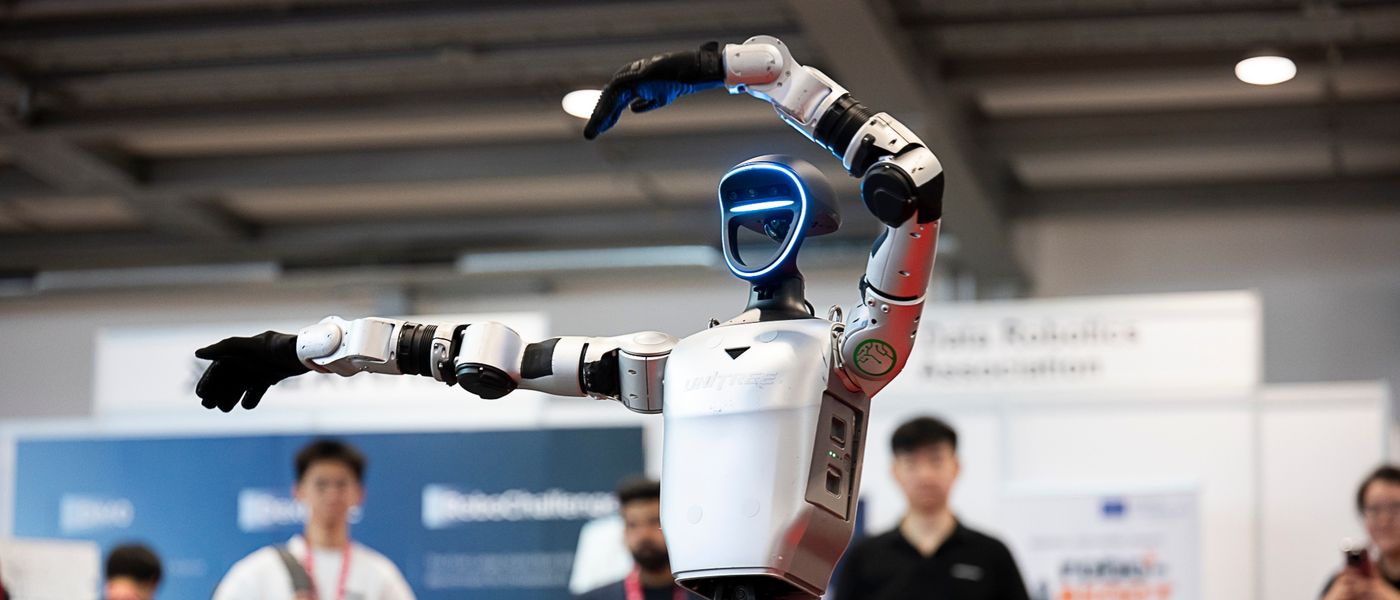
Robotics isn't just an industry, it's a science. Rollouts and developments depend on the work of the countless researchers whose novel ideas push the barrier of what is thought to be possible. Understanding research is understanding the industry, and to this end Nurvai decided to attend ICRA.
ICRA is the International Conference on Robotics and Automation, one of the most important dates in the field. Some of the most evergreen and relevant papers get brought to the forefront alongside many of the most important industry players. It is a place where the frontier of the field is examined and presented.
In this blog we plan on discussing the learnings we gathered from ICRA and how we plan on using them to build a better Nurvai.
The Overview
Robotics is coming to an impasse. It still has quite a ways to go as we've just begun seeing robots move from their structured and controlled lab settings into the messy and unstructured real world. Attending ICRA 2026 in Vienna just changed our whole perspective on just how rapidly this transition is happening.
The conference, held under the theme "Robots for All," brought together researchers, engineers, and investors all with the same challenge: how do you build robots that actually work outside the lab?
The answer (shocking news) is deeply tied to data. How you collect it, how much it costs, and who gets to use it.
So we’ll go a little deep in the learning we gathered from the whole conference.
The Real Question all of us need to answer: Cost vs Quality vs Complexity of Collection
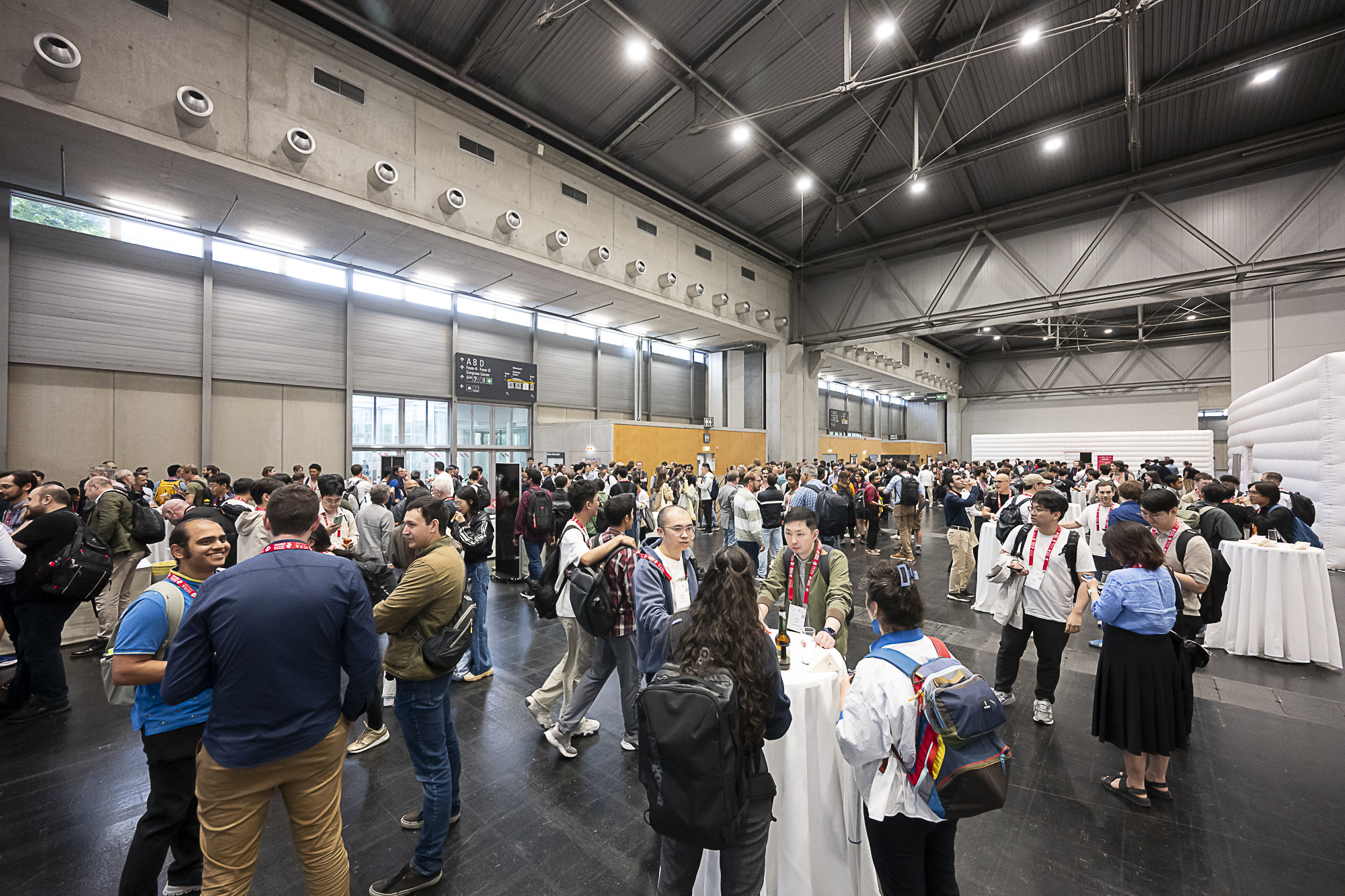
Talking to people on the floor we realized we all had the same question: What’s the balance between the cost of a data collection hour, the complexity of the environment, and the quality of what you actually get.
A more complex sensor produces better data, but it also means longer setup times, more expertise required, more things that can go wrong, and a higher cost per hour. At scale, those costs will rise quickly. And limiting on data quality at this stage of the industry often means limiting what your robot can do.
There’s no single right answer here, the real question people asking at ICRA was: how much complexity do you actually need to collect the most useful data
Different teams are making different bets. Some are focused on simpler hardware and massive scale by collecting thousands of hours of basic egocentric data. Others are building much richer and multi-modal data collection setups that are more expensive, but capture far more detail.
The answer depends on what you’re trying to train, for some behaviors, volume may matter most. For others, richer, higher-quality data may be worth the extra cost.
What stood out at ICRA is that the whole industry is still working through this question.
There’s no agreement about what the real answer is.
Platforms Are Making Robotics Data Easier to Manage
Another clear thing we noticed at ICRA was the rise of platforms built specifically for management of robotics data. A couple of years ago, most teams were building their own internal tools to store, label, and organize their datasets. Now there are platforms that are making that workflow much more manageable.
The biggest change is happening at the annotation layer. Labeling robot data, especially multi-modal data that combines video, motion, force, and other sensor streams, used to require a lot of custom engineering. Today, newer platforms are offering cleaner, more intuitive interfaces built for exactly this kind of data. That significantly lowers the barrier for teams trying to build and train embodied AI models.
This is an area Nurvai is watching closely. The ability to collect, annotate, and manage high-quality robotics data efficiently.
European Union Is Getting Organized, and It Matters
One of the more interesting things at ICRA was seeing how organized European robotic research has become. Groups like the Robotics Institute Germany (RIG) are bringing universities, labs, and research teams together under bigger networks. They are sharing datasets, coordinating funding, and showing up at conferences like this one with a much stronger collective presence.
That matters for three reasons.
A coordinated network can move faster than a scattered group of individual labs. When teams share infrastructure, data, and research direction, the overall output becomes much stronger.
It creates an interesting contrast with private robotics companies. A lot of European robotics work is still driven by public funding and academic collaboration, while many US and China-based companies are moving with venture funding, shorter timelines, and different incentives.
It raises a bigger question for the field.
Will robotics move faster through open, collaborative research, or through private companies competing to commercialize first?
There is no clear answer yet. But what ICRA did show is that Europe is making a serious bet on the collaborative model between nations.
Robots Are Moving Into the Real World.
And last but not least, was the realization we got of the shift from controlled lab settings to messy, real-world environments. In the lab, robots operate under predictable conditions, but real world is another topic (we know that)
That point came up again and again, from the field robotics sessions to the “Robots in the Wild” workshop to the investment panels. Everyone seemed to be circling the same idea: the hardest and most important problems now happen when robots are outside the lab, dealing with unfamiliar places, objects, and interactions.
That changes how teams need to think about data, even strong lab data has limits when the goal is real-world deployment. Lab environments can be too clean, too scripted, and too far removed from what robots actually face in practice.
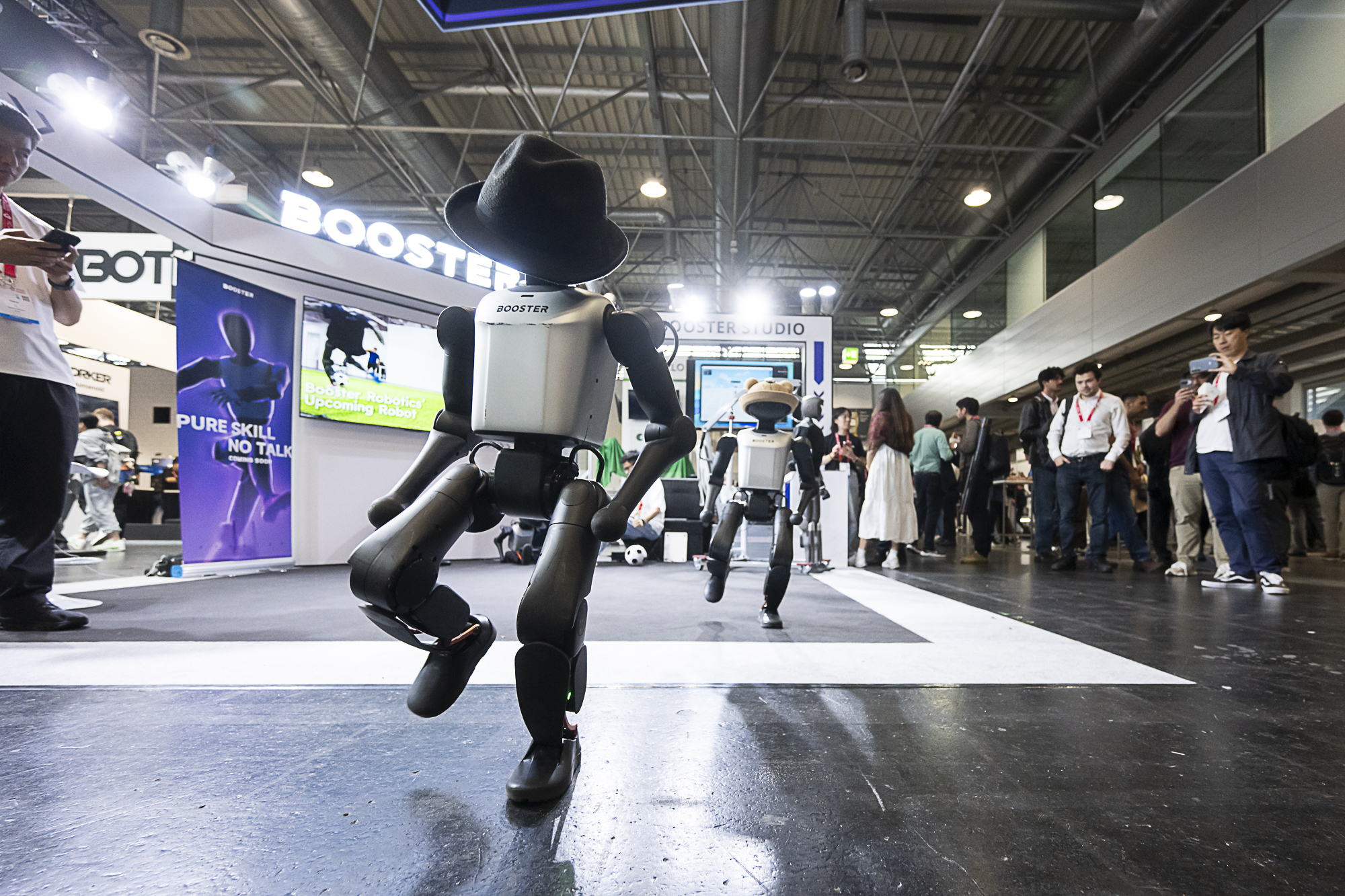
The industry is now trying to figure out how to collect data that captures the messiness of the real world. That means different hardware, better platforms, stronger collaboration, and a new definition of what “good data” actually means.
That is the question Nurvai is built to help answer. ICRA made it clear that we are asking it at the right time.
Pictures via: ICRA 2026 Gallery
If you’re building embodied AI systems and need better robotics data, let’s talk and book your free consultation: Free Consultation with Nurvai
Connect with us on socials